Christmas Tree with Christmas Words: A Designer's Review
First Impressions: Balancing Festive Charm and Stitch Reality
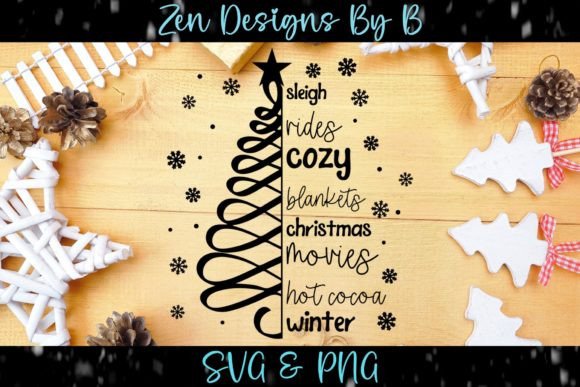
When evaluating a new machine embroidery design for the holiday season, my primary concern is always how the digital art translates into physical thread. The "Christmas Tree with Christmas Words" graphic from Zen Designs By B immediately catches the eye as a versatile seasonal asset. As an experienced reviewer and maker, I look past the screen preview to assess structural integrity. This design falls under the Illustrations and Graphics category, but for us in the embroidery world, it represents potential revenue streams across multiple product lines. The integration of typography with the arboreal silhouette suggests a cohesive layout that avoids the disjointed feel often found when combining separate text and image files.
The mood this design evokes is nostalgic yet clean, striking a balance that appeals to both traditionalists and modern minimalists. However, because fonts are not included in this instant download, we must approach this as a foundational template rather than a finished stitch-out. For a professional Etsy seller or small shop owner, this distinction is vital. It grants you creative freedom to match the typography to your specific brand voice, whether that is a playful script for baby items or a bold serif for high-end home decor. Before hooping any fabric, I recommend importing the SVG or PNG into your digitizing software to map out exactly where your chosen typeface will sit relative to the tree graphics.
Real-World Application: Designing a Holiday Sweatshirt Collection
To truly test the viability of this design, I recently applied it to a custom apparel project intended for a boutique holiday capsule collection. The goal was to create a unisex crewneck sweatshirt that felt handmade but retailed at a premium price point. Using the "Christmas Tree with Christmas Words" concept, I opted for a tonal embroidery approach on a sage green fleece. Instead of high-contrast red and green, I used cream and gold threads to let the shape and words provide the visual interest through texture rather than color saturation.
In this sweatshirt embroidery scenario, the design performed exceptionally well as a center-chest placement. The vertical orientation of the tree naturally complements the torso's proportions without widening the wearer's silhouette, which is a common pitfall with horizontal holiday motifs. Because the original file is a graphic, I had to ensure my digitized version accounted for the fleece's pile. I utilized a slightly open fill stitch for the tree body to prevent the garment from becoming stiff or bulletproof. The accompanying words were rendered in a satin stitch column, providing a crisp edge against the softer tree texture. This contrast in stitch types elevated the perceived value of the finished product, making it look like a professionally manufactured retail item rather than a DIY craft.
Navigating Fabric Variables and Hoop Limitations
While this design shines on stable knits, it requires careful handling when applied to more challenging substrates. If you are planning a tote bag design using canvas or linen, the natural weave can sometimes swallow fine details. In these cases, I advise increasing the stitch density slightly or adding a light topping stabilizer to ensure the "Christmas Words" remain legible. Conversely, if you are adapting this for delicate baby embroidery on onesies or bibs, density is your enemy. Heavy stitching on thin cotton jersey leads to puckering and discomfort. For infant wear, consider converting the solid areas of the tree into a running stitch outline or a lightweight applique design to maintain fabric drape and safety.
Hoop size selection also dictates the success of this artwork. The vertical nature of "Christmas Tree with Christmas Words" makes it ideal for standard 4x4 hoops when scaled down for pockets or sleeves, but it truly breathes in larger formats like 5x7 or 6x10. When working with smaller hoop sizes, be wary of shrinking the text elements below 0.2 inches in height. Tiny lettering rarely embroiders cleanly; if the words cannot be read clearly at a reduced scale, it is better to omit them or replace them with a simple monogram. Always verify your machine’s maximum field size before committing to a layout, as resizing vector graphics does not automatically adjust stitch parameters for optimal tension.
Commercial Viability and Brand Consistency
For creative entrepreneurs and commercial embroidery businesses, consistency builds trust. This design asset offers excellent scalability across different product categories while maintaining a unified holiday theme. I have seen similar concepts work beautifully on embroidered patches for denim jackets, tea towels for kitchen gift sets, and even nursery pillows. The key to maximizing ROI is treating the graphic as a modular element. By keeping the core tree illustration consistent but swapping out the "Christmas Words" for personalized names or dates, you can offer a customizable personalized gift service without re-digitizing the entire motif for every order.
However, a word of caution regarding licensing and usage: since this is an instant download of graphics, you must confirm your rights before selling finished goods or digital derivatives. While the file works with Cricut, Silhouette Studio, and Illustrator for vinyl or sublimation, embroidery requires a separate digitized file. Never assume a PNG is stitch-ready. You must either digitize it yourself or hire a professional digitizer to convert the illustration into a proper embroidery file. Selling a raw PNG as an embroidery design to customers who expect a PES or DST file will damage your reputation. Furthermore, always check if the license permits commercial use of finished products versus selling the digital file itself. Protecting your business means respecting intellectual property boundaries.
Essential Pre-Stitch Checklist for Makers
Before launching this design into production or listing it in your shop, run through this practical validation process to avoid costly mistakes:
- Test on Scrap Fabric: Never stitch directly on a sellable item first. Use a scrap of the exact fabric and stabilizer combination you plan to use to check for registration issues between the tree and the text.
- Evaluate Thread Contrast: View your thread colors in natural daylight. Metallic threads look great on screen but can disappear against dark fabrics. Ensure the "Christmas Words" have sufficient contrast ratio against both the tree fill and the base fabric.
- Check Stabilizer Compatibility: For stretchy knits, use cut-away stabilizer. For woven towels or tote bags, tear-away may suffice. Incorrect stabilizer choice is the number one cause of distorted lettering.
- Mockup Validation: Create printable mockups using the PNG file to visualize placement before stitching. Show these to potential clients or use them in your Etsy listings to set accurate expectations regarding size and proportion.
- Wash Test: If creating items meant for frequent laundering like aprons or baby clothes, wash and dry your test swatch. Some fill stitches shrink differently than the fabric, causing warping after the first cycle.
- Font Licensing Check: Since fonts are not included, ensure any typeface you pair with this tree design is licensed for commercial embroidery use. Using a personal-use-only font on products sold in your shop is a legal risk.
Final Thoughts on Design Versatility
"Christmas Tree with Christmas Words" serves as a robust foundation for holiday merchandise, provided it is treated with technical respect. Its strength lies in its adaptability; it is neither too childish nor too formal, allowing it to bridge demographics effectively. Whether you are crafting a bespoke holiday gift or stocking your online store with seasonal bestsellers, success depends on thoughtful execution. By paying attention to stitch density, fabric interaction, and proper digitization, you transform a simple digital illustration into a tangible, high-quality handmade product that customers will cherish. Remember, in embroidery, the difference between a good design and a great product is almost always in the preparation.