I Want a Hippopotamus for Christmas PNG Review
As an embroidery digitizer and product reviewer, I approach every new graphic asset with a specific question: will this translate beautifully into thread, or will it remain just another pretty picture on a screen? When evaluating the I Want a Hippopotamus for Christmas PNG, my assessment goes beyond simple aesthetics. For small business owners, Etsy sellers, and makers preparing for the holiday rush, understanding how this specific digital file performs in a real-world production environment is critical. This review breaks down the practical application of this graphic for machine embroidery projects, focusing on technical viability, market appeal, and production realities.
First Impressions and Visual Personality
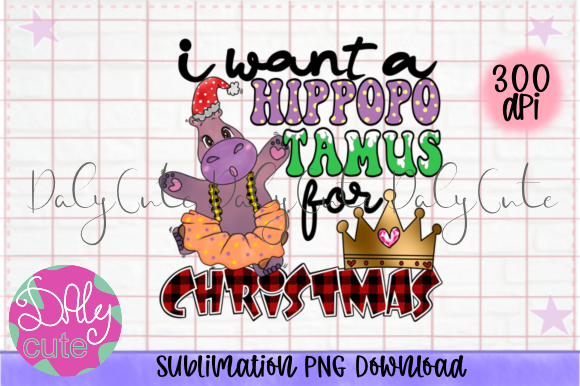
The immediate mood of the I Want a Hippopotamus for Christmas PNG is undeniably nostalgic and whimsical. It taps directly into a beloved vintage novelty song that resonates across generations, making it a safe yet distinctive choice for holiday merchandise. Visually, the graphic carries a playful weight; the hippo character typically features rounded, organic shapes rather than sharp, rigid lines. From a design perspective, this is excellent news for embroiderers. Organic curves are generally more forgiving during the stitching process than geometric precision, allowing for slight natural shifts in fabric without ruining the overall look.
However, because this product is listed under Print Templates and Graphics as a 300 DPI PNG rather than a pre-digitized embroidery file, it serves as a high-quality source art. The resolution is sufficient for tracing and digitizing, but users must understand they are receiving a raster image. The visual personality suggests this design belongs on cozy, tactile items rather than sleek, modern corporate wear. It naturally fits the aesthetic of heirloom-quality baby embroidery, rustic holiday decor, and personalized gifts intended to evoke warmth and humor.
Real-World Application: The Holiday Sweatshirt Test
To truly evaluate this asset, I mentally placed it in a current best-seller scenario: a cream-colored heavyweight sweatshirt destined for a boutique holiday collection. In this context, the I Want a Hippopotamus for Christmas PNG shines as a centerpiece for custom apparel. The contrast of a dark green or burgundy hippo against light fleece creates immediate visual impact. For a craft business or Etsy seller, this specific combination drives engagement because it photographs well for printable mockups and social media listings.
When adapting this PNG for sweatshirt embroidery, the rounded silhouette of the hippo allows for versatile placement. Unlike square or rectangular designs that can look boxy on curved garments, this shape flows with the drape of the fabric. I envision this working exceptionally well as a left-chest pocket-sized motif or a larger center-chest statement piece. For tote bag designs, the graphic provides enough surface area to experiment with mixed media techniques, perhaps combining a fill stitch body with satin stitch outlines to add texture that mimics the animal’s skin while maintaining stitch efficiency.
Navigating Fabric Limitations and Hoop Sizes
While the design is charming, practical execution requires caution regarding fabric texture and stability. Because the source is a PNG, the final stitch outcome depends entirely on your digitizing choices. If you are creating an applique design based on this graphic, be wary of using it on highly textured fabrics like terry cloth or chunky knits without adequate stabilization. The whimsical details of the hippo’s face could get lost in the pile of a towel or blanket if the foundation isn't solid.
Hoop size selection is equally vital. The I Want a Hippopotamus for Christmas PNG likely has a horizontal or slightly landscape orientation given the subject matter. Makers using smaller hoops (4x4 or 5x7) may need to resize or crop the artwork, potentially losing the charm of the full character. Before committing to a bulk order of baby clothes or caps, verify that the aspect ratio fits your equipment. Caps present a unique challenge; the wide stance of a hippo might distort on a curved brim. In such cases, this graphic is better suited for flat embroidery projects like pillow covers, aprons, or patches where the design can lay completely flat.
Technical Considerations for Digitizers and Makers
Since this is a digital file only and not a native embroidery format, professional judgment is required during the conversion process. You cannot simply load a PNG into an embroidery machine. As you digitize this artwork, pay close attention to stitch density. A large, solid hippo rendered entirely in dense fill stitches will result in a stiff, bulletproof patch that ruins the drape of a garment. Instead, consider breaking up the interior with running stitches, cross-hatching, or strategic applique to maintain fabric flexibility.
Thread color contrast is another make-or-break factor. Hippos are often depicted in grey, purple, or pink. On dark fabrics, these colors pop beautifully. On medium-toned fabrics, however, definition can vanish. Always test your digitized version in black and white before stitching. If the values are too similar, the design will read as a muddy blob rather than a distinct character. Use proper stabilizer appropriate for your base fabric; a tear-away might suffice for sturdy canvas tote bags, but a cut-away is non-negotiable for stretchy knit sweatshirts to prevent puckering around those organic curves.
Commercial Viability and Brand Consistency
For creative entrepreneurs and handmade shop owners, the I Want a Hippopotamus for Christmas PNG offers strong commercial potential due to its evergreen seasonal appeal. However, professionalism dictates that you check licensing terms before selling finished products. Ensure you have the right to use this specific graphic for commercial embroidery. Assuming clearance is granted, this design supports brand consistency for shops specializing in retro, nursery, or humorous holiday themes.
Customer trust is built on quality execution. A poorly digitized version of this cute hippo with jumping stitches or misaligned outlines will damage your reputation faster than any marketing can build it. When listing items made from this asset, use high-quality photos of the actual stitched product alongside your printable mockup. Buyers want to see how the thread interacts with the fabric. Highlighting the tactile nature of the embroidery elevates the perceived value of the item above generic printed alternatives.
Essential Pre-Production Checklist
Before launching a new line featuring this design, adhere to these practical steps to ensure success:
- Verify File Integrity: Confirm you have unzipped the file correctly and that the 300 DPI PNG is crisp at your intended print or trace size.
- Test Stitch on Scrap: Never run a new digitization directly onto a sellable product. Test on scrap fabric identical to your final substrate to check tension and density.
- Evaluate Small Details: Inspect facial features and extremities. If the hippo’s toes or eyes are too small for standard satin stitch columns, simplify them during digitizing to prevent needle breaks or thread bunching.
- Check Licensing: Re-read the product description to confirm commercial use rights for both physical embroidered goods and digital previews.
- Mockup Validation: Create realistic mockups that accurately represent the texture of embroidery, not just a flat overlay of the PNG.
- Wash Testing: If selling baby items or kitchen textiles, wash your test sample to ensure the stitch coverage holds up and the design doesn't distort after laundering.
The I Want a Hippopotamus for Christmas PNG is a delightful asset with significant potential for holiday sales and personalized gifting. By treating it as a professional starting point rather than a finished solution, and by applying rigorous testing to your embroidery workflow, you can transform this digital graphic into a tangible, high-value product that customers will cherish. Success lies not just in the cuteness of the hippo, but in the technical excellence of your craftsmanship.