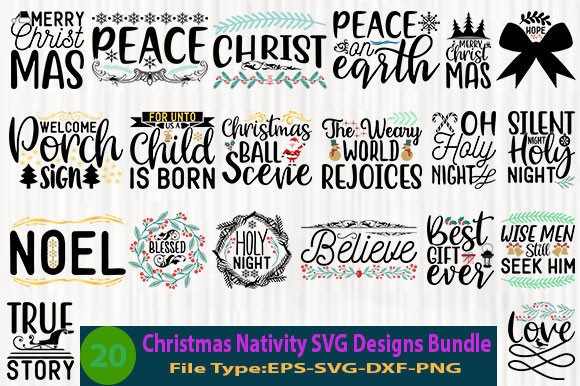
Christmas Nativity Design Bundle: A Maker’s Review
When evaluating digital assets for holiday production, the transition from screen to stitch is where the true value of a design reveals itself. As a designer who regularly reviews graphics for commercial embroidery and handmade product lines, I approach the Christmas Nativity Design Bundle with a critical eye toward practical application. This isn't just about festive aesthetics; it is about whether these files can withstand the rigors of machine embroidery while maintaining the reverence and clarity required for such a significant theme. For Etsy sellers, boutique owners, and hobbyists alike, understanding how this bundle performs in real-world scenarios is essential before committing thread to fabric.
First Impressions and Visual Weight
Upon opening the Christmas Nativity Design Bundle, the immediate impression is one of balanced composition. In the realm of Crafts and Graphics, nativity scenes often suffer from being either overly intricate or too simplistic. This collection strikes a middle ground that suggests versatility. The silhouettes and line work appear clean enough to translate well into various stitch types without becoming muddy. For a machine embroidery design, visual clarity at small scales is paramount. The shapes hold their integrity, which tells me they will likely digitize cleanly into satin stitch borders and fill stitch interiors without excessive jump stitches or registration issues.
The mood created by these graphics is traditional yet adaptable. They do not feel dated, nor are they overly modernized to the point of losing their meaning. This visual personality makes them suitable for a wide demographic, from heirloom baby embroidery to contemporary holiday home decor. When assessing design assets for a craft business, this kind of broad appeal is what turns a single purchase into multiple product listings.
Real-World Application: The Linen Tea Towel Test
To truly judge the utility of this bundle, I mentally placed it into a specific production scenario: creating a premium linen tea towel as a personalized gift and shop staple. Linen is a textured fabric that can be unforgiving with fine details. In this context, the Christmas Nativity Design Bundle needs to perform as more than just a pretty picture; it must be structurally sound.
For a tea towel project, I would utilize the SVG or EPS formats to ensure crisp edges when importing into my digitizing software. The goal here is to create a centerpiece that feels substantial but not bulletproof. If the design relies heavily on dense fill stitch, it could pucker the linen or make the towel stiff and unusable. However, based on the graphic structure, this bundle appears conducive to a mix of running stitch outlines and lighter fill areas. This balance is crucial for maintaining the drape of the fabric. A finished product like this needs to look professional after washing, meaning the stitch density must be appropriate for absorbent, textured materials. If you are an Etsy seller planning a holiday kitchenware line, verifying that the design doesn't overwhelm the substrate is your first step toward positive customer reviews.
Navigating Fabric Limitations and Hoop Sizes
While the Christmas Nativity Design Bundle offers excellent potential, experienced makers know that placement and material choice dictate success. Not every item in your inventory is a candidate for this specific artwork. I advise caution when applying these designs to highly stretchy fabrics like lightweight jersey knits unless you are using significant stabilizer and potentially an applique design technique to anchor the stitches. The nature of nativity imagery often involves vertical lines and distinct figures; on unstable fabric, these can distort during stitching, resulting in a warped final image.
Furthermore, consider your hoop size limitations. Detailed nativity scenes require adequate space to breathe. Cramming this design into a 4x4 hoop may force you to reduce elements to a size where tiny lettering or facial features become lost blobs of thread. If your machine only supports smaller hoops, verify the minimum viable size of the graphics before purchasing. For cap embroidery or curved surfaces, the flat nature of these vector files means you will need to manually adjust the distortion compensation in your software. What looks perfect on a flat PNG preview may pull apart on the curve of a hat brim. Always test on scrap fabric first, especially when working with dark fabrics where thread color contrast is vital for definition.
Commercial Viability and Product Value
For creative entrepreneurs and small shop owners, the Christmas Nativity Design Bundle represents a scalable asset. Because the files include SVG, DXF, EPS, and PNG formats, you are not locked into a single use case. The vector formats (SVG, DXF, EPS) are ideal for those who digitize their own machine embroidery designs, allowing for custom resizing and color separation without quality loss. The PNG format serves perfectly for printable mockups, enabling you to list custom apparel or sweatshirt embroidery options on your website before stitching a single sample.
This versatility directly impacts perceived product value. A generic, pixelated clip-art nativity signals "amateur" to buyers. Clean, scalable vectors signal professionalism. Whether you are producing embroidered patches for resale or high-end nursery decor, the sharpness of the source file translates to buyer trust. Customers recognize quality, even if they cannot articulate why one embroidered pillow cover looks better than another. It usually comes down to the fidelity of the original design assets and the maker's attention to technical execution.
Essential Technical Notes for Makers
Before loading the Christmas Nativity Design Bundle into your workflow, adhere to these practical guidelines to ensure your finished product meets professional standards:
- Verify Licensing: While the file formats are provided, always confirm the specific commercial license terms included with the bundle. Ensure you have the right to sell finished physical products versus digital embroidery files, as these permissions often differ.
- Test Stitch Density: Do not assume the default digitization settings match your fabric. Run a test sew-out on the exact material you intend to use. Adjust underlay and density if the design feels too heavy for baby clothes or too sparse for canvas tote bags.
- Check Thread Contrast: Nativity scenes often rely on subtle shading. Test your thread colors against both light and dark backgrounds. A design that pops on white cotton might disappear on navy fleece. Use black and white mockups to check value contrast before selecting thread palettes.
- Stabilizer Selection: Match your stabilizer to the fabric weight and design density. Cut-away stabilizer is generally safer for apparel and stretchy items to prevent distortion over time, while tear-away may suffice for stable woven linens.
- Mockup Accuracy: When using the PNG for digital previews, apply realistic fabric textures. This manages customer expectations regarding how the embroidery will actually look versus a flat digital graphic.
Final Thoughts on Production Readiness
The Christmas Nativity Design Bundle holds strong promise for holiday collections, provided it is treated with technical respect. It bridges the gap between sentimental tradition and modern manufacturing requirements. For the apparel decorator, it offers a timeless motif for sweatshirts and custom apparel. For the digital product seller, the inclusion of multiple vector formats provides necessary flexibility. Ultimately, the success of any embroidery project lies in the marriage of good design and skilled execution. By testing thoroughly, respecting fabric limitations, and leveraging the versatile file formats provided, you can transform these graphics into meaningful, high-quality handmade products that resonate with customers during the holiday season.