Christmas Gnome Vector Graphic: An Embroidery Review
As a professional designer who spends just as much time behind an embroidery machine as I do in vector software, I approach every new graphic with a specific question: will this actually stitch out cleanly? When evaluating the Christmas Gnome Vector Graphic, my assessment goes far beyond its festive charm. While it is marketed as a versatile illustration for everything from sublimation to paper crafting, my focus is strictly on its viability as a foundation for a machine embroidery design. For fellow Etsy sellers, apparel decorators, and makers, understanding how this graphic translates from screen to fabric is the difference between a bestseller and a production headache.
First Impressions: Whimsy Meets Structural Integrity
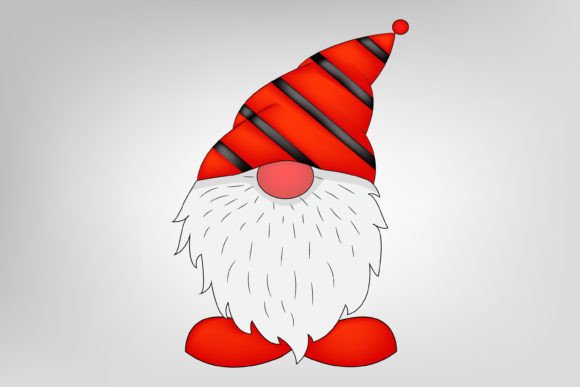
My initial reaction to this Christmas Gnome Vector Graphic was positive regarding its silhouette. The shape is distinct and recognizable even at smaller sizes, which is crucial for embroidery projects where fine details can get lost. The gnome’s iconic hat and beard provide excellent natural color blocks, making it an ideal candidate for an applique design or segmented fill stitching. Unlike overly complex illustrations that require thousands of jump stitches, this graphic possesses a boldness that suggests it will maintain clarity on textured fabrics like canvas or fleece.
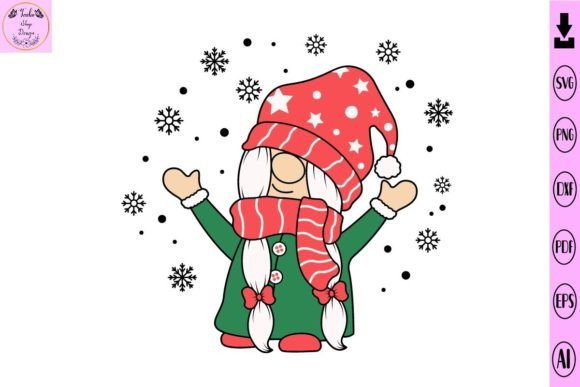
However, as with any digital asset intended for needlework, the vector lines must be interpreted carefully. The mood is undeniably cozy and traditional, fitting perfectly into the niche of holiday embroidery and winter boutique collections. Yet, I immediately noted areas where the original artwork might need simplification before digitizing. Vectors often include gradients or tiny decorative elements that look great in print but create unnecessary bulk or registration issues in thread. As a reviewer, I see this graphic not as a finished product, but as a high-potential blueprint for a custom apparel line or personalized gift series.
Real-World Application: Stitching the Gnome Tote Bag
To truly test the merit of this design, I mentally mapped it onto a recent client request: a set of heavy-duty canvas tote bags for a local holiday market. This scenario highlights the practical challenges of using the Christmas Gnome Vector Graphic in a commercial setting. Canvas is unforgiving; it demands precise stabilization and appropriate stitch density. Because the gnome design features large solid areas, I would recommend converting the main body into an applique rather than a full fill stitch. This reduces stitch count significantly, prevents the bag from becoming stiff or bulletproof, and allows the natural fabric texture to show through.
For the hat and facial features, a combination of satin stitch borders and light texture fills would add dimension without compromising the integrity of the tote. In this real-life application, the graphic serves as a centerpiece that drives sales because it balances detail with durability. Customers at craft fairs want items that feel handmade yet professional. If the embroidery file derived from this vector is optimized correctly, the resulting tote bag design will have a crisp, raised appearance that justifies a premium price point. Conversely, if one were to simply auto-digitize the raw vector without adjusting for the canvas substrate, the result would likely be puckered and dense, damaging both the product and your reputation as a craft business.
Navigating Fabric Limitations and Hoop Constraints
While the Christmas Gnome Vector Graphic shines on stable substrates, caution is required when adapting it for more challenging materials. I would hesitate to use the full, unmodified design on stretchy knits or lightweight baby clothes without significant alteration. The sheer volume of stitches required to replicate the vector's detail can distort jersey fabric, leading to tunneling or sagging. For baby embroidery or delicate sweatshirt embroidery, I advise isolating specific elements of the gnome—perhaps just the hat or a simplified face—and utilizing a tear-away stabilizer to minimize bulk against sensitive skin.
Furthermore, consider your hoop size limitations. This graphic likely has a vertical orientation that fits standard hoops, but resizing it down for caps or left-chest logos requires scrutiny. Tiny lettering or intricate beard textures present in the original illustration may turn into mud when scaled below three inches. In these instances, the running stitch details must be thickened or removed entirely. Dark fabrics also present a challenge; if the vector relies on subtle shading rather than distinct outlines, you may need to add a white underlay or outline to ensure the design pops against navy or black garments. Always verify that the visual hierarchy remains intact regardless of the background color.
Elevating Brand Value Through Technical Precision
Using the Christmas Gnome Vector Graphic effectively is about more than just avoiding technical errors; it is about building customer trust. When a buyer sees a clean, well-executed finished product, they perceive higher value. Sloppy edges, poor color contrast, or excessive jump stitches signal amateurism. By treating this graphic as a professional design asset rather than a clip-art shortcut, you elevate your entire brand. Consistency across different products—from embroidered patches to pillow covers—creates a cohesive collection that encourages repeat business.
This attention to detail extends to your marketing materials as well. Before committing thread to fabric, utilize the vector to create a high-quality printable mockup. This allows you to gauge customer interest and refine color palettes without wasting supplies. However, never let the mockup overpromise. Ensure your digital previews accurately reflect what the digital embroidery file can actually achieve. Transparency regarding the handmade nature of your work fosters engagement and manages expectations, which is vital for long-term success as an Etsy seller or small shop owner.
Essential Designer Notes for Safe Implementation
Before adding this graphic to your production queue, please adhere to these practical guidelines to ensure success:
- Verify Licensing: Confirm specifically whether the license for this Christmas Gnome Vector Graphic permits commercial use for physical embroidered goods versus digital redistribution. Terms vary widely between personal and commercial embroidery rights.
- Test Stitch Mandatory: Never run this design on a final product without testing on scrap fabric first. Check for registration issues, especially where the hat meets the face or where applique edges meet satin borders.
- Review Thread Colors: Vector colors are RGB/CMYK; thread is Pantone/Madeira. Physically match your thread colors to the fabric to ensure adequate contrast, as screens can be deceiving.
- Check File Compatibility: Ensure you have access to the correct embroidery file format for your specific machine. Do not assume a generic conversion will preserve the design's integrity.
- Stabilizer Selection: Match your stabilizer weight to both the fabric and the stitch density of the gnome. A cutaway is generally safer for wearable custom apparel, while tear-away may suffice for non-stretch crafts.
- Simplify for Scale: If reducing the design for tags or cuffs, manually edit out micro-details. Rely on shape and color blocking rather than fine lines for small-scale holiday embroidery.
The Christmas Gnome Vector Graphic offers tremendous potential for creative entrepreneurs willing to put in the technical due diligence. It bridges the gap between digital art and tactile craft beautifully, provided it is respected as a starting point rather than a final solution. Whether you are creating a signature sweatshirt embroidery line or a unique personalized gift, approaching this design with a critical, experienced eye will ensure your finished pieces are as durable as they are delightful. Happy stitching!